New Home Build Delays in Australia: What to Expect and How to Minimise Stress
New Home Build Delays in Australia: What to Expect and How to Minimise Stress
Jul 29, 2025
Current new home build delays in Australia are driven by industry-wide labour shortages, supply chain disruptions, and regulatory complexities. On average, construction now takes 40% longer than a decade ago. To manage this, homeowners should insist on realistic timelines, conduct thorough building contract reviews, and use independent building inspections to prevent time-consuming rework.
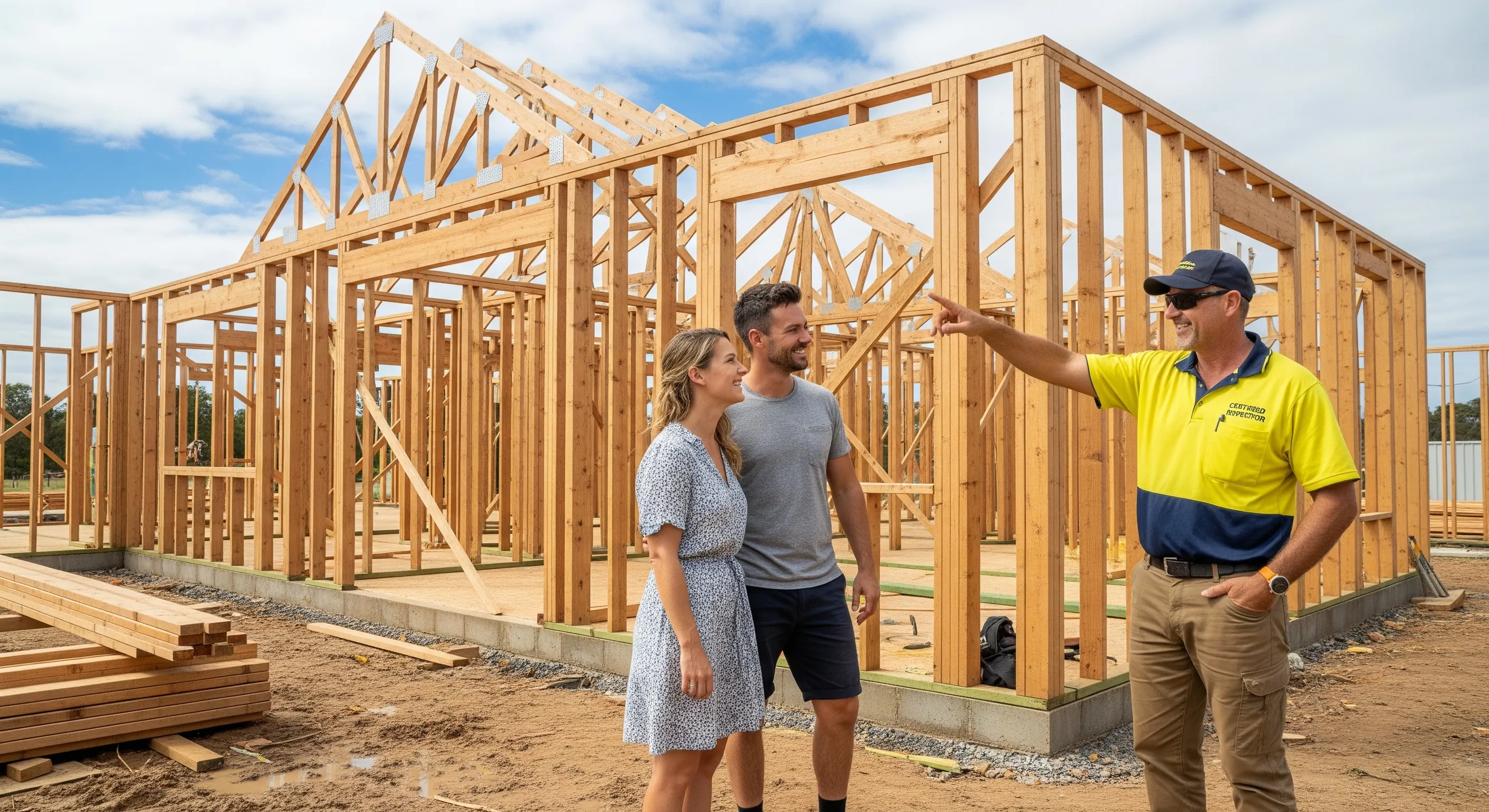
Building a new home is a quintessential Australian dream, offering the chance to create a space perfectly tailored to your lifestyle. However, the path from a vacant block of land to a finished home can often feel like a complex maze. One of the most significant sources of anxiety for homeowners today is the uncertainty surrounding construction timelines.
At New Build Assist, we believe that clear communication and professional planning are the best tools to manage these challenges. By understanding why delays happen and how to navigate them, you can move forward with confidence.
The Current Reality: Understanding Longer Timelines
It is important to recognise that the residential building landscape has changed. Recent data indicates that building a house in Australia now takes approximately 40% longer than it did in 2011. This isn't necessarily a reflection of a specific builder’s intent, but rather a result of systemic industry challenges that every prospective homeowner must factor into their planning.
Why Do New Home Build Delays Happen?
Understanding the "why" behind a stall in progress can help reduce the emotional stress associated with the unknown. Most delays fall into a few key categories:
- Labour and Material Constraints: Persistent shortages of skilled trades and global supply chain fluctuations can cause pauses between construction stages, such as framing or lock-up.
- Regulatory and Council Approvals: Navigating local council requirements for a Development Application (DA) or Complying Development Certificate (CDC) can be a lengthy process that must be cleared before work commences.
- Weather and Site Conditions: Australia’s unpredictable weather—particularly prolonged rain—can halt site preparation or concrete pours.
- Client Variations: Requested changes to the design after the contract is signed often require re-drawing plans and re-ordering materials, which adds both time and cost.
- Project Management Efficiency: Sometimes, delays stem from internal disorganisation or a lack of proactive scheduling.
How to Minimise Stress During the Build
While some factors are beyond anyone's control, a structured approach can significantly reduce the impact of delays on your life and budget.
- Set Realistic Expectations: Request a construction schedule based on current market conditions rather than overly optimistic promises.
- Prioritise Transparent Communication: A quality builder should provide a dedicated point of contact and regular, scheduled updates so you are never left guessing about progress.
- Conduct a Robust Contract Review: Ensure you understand the clauses related to timelines and "liquidated damages," which outline how delays are handled legally and financially.
- Invest in Quality Early: Construction oversights can be a major cause of delays, as fixing defects late in the build can sometimes require significant rework. Independent oversight addresses any issues early, ensuring a quality build, and a smooth process for all parties involved.
Frequently Asked Questions
How long does it typically take to build a house in Australia? While it varies by state and complexity, most standard builds currently take between 12 to 18 months from site start to completion.
Will a delay increase my total project cost? Indirectly, yes. Delays often lead to extended rental costs or additional interest on construction loans. This is why a 10%–20% contingency fund is recommended.
Can I prevent delays caused by variations? The best way to avoid these is to finalise all design decisions and "colour selections" before signing your building contract.
Build with Certainty and Peace of Mind
Navigating the complexities of the Australian building industry requires a steady hand and expert insight. By aligning yourself with the right partners and verifying quality at every milestone, you can transform a potentially overwhelming process into a well-managed journey toward your new home.